Studio
Tsok’a began with Eden's master’s research project at Central Saint Martins in London, focused on a hill town in the eastern Himalayas. Drawing on decolonial feminist methodologies and feminist urbanism, it questioned whose lives and knowledge are overlooked in planning, and whether dominant Western ideas of development fit the places they’re applied to.
London · Sikkim · Bangalore
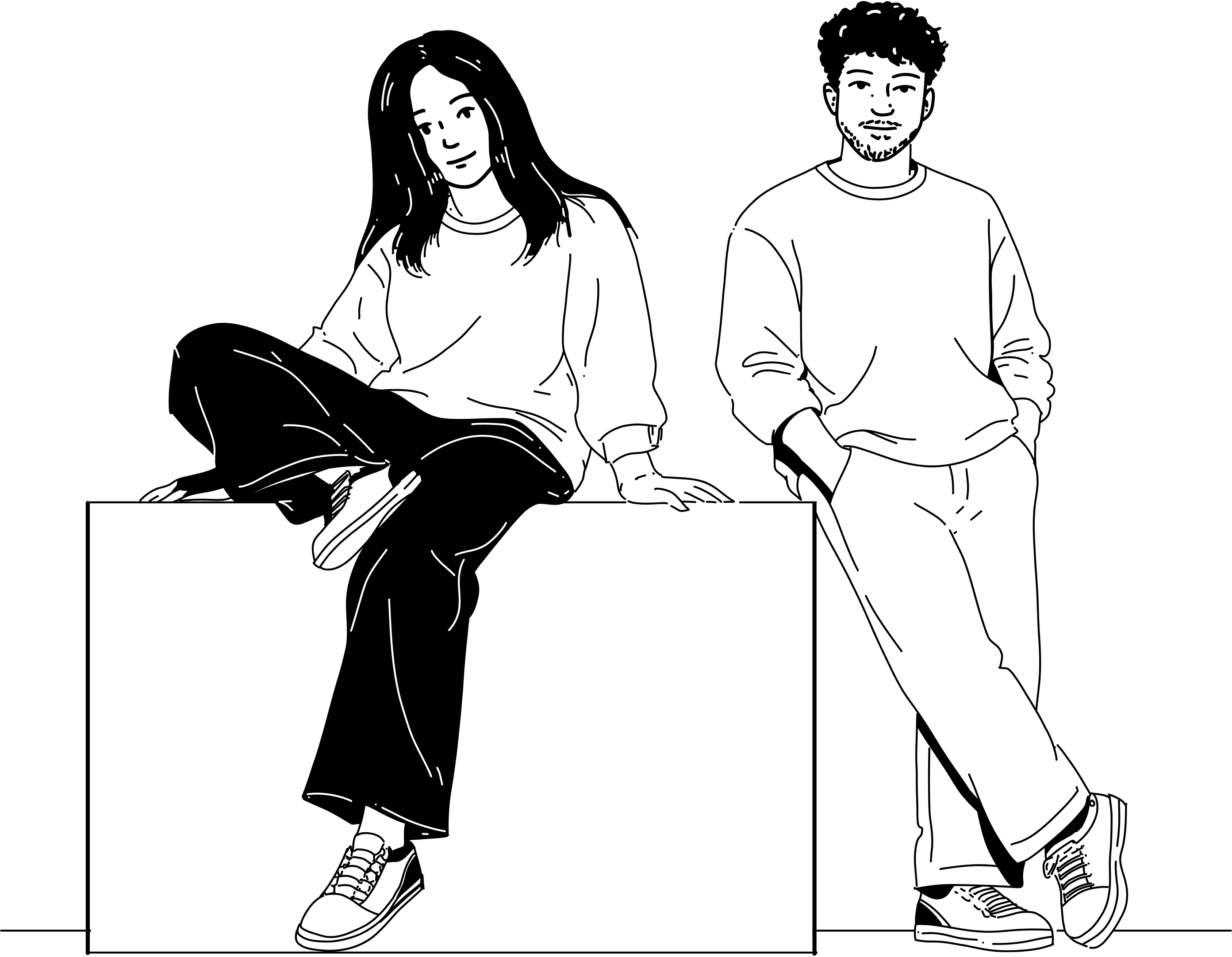
As Eden and Sanjeev began working together, that attention to context became part of a broader practice. Their different backgrounds brought spatial design and visual communication into the same conversation. Architecture and interiors engage with how people use and inhabit places, while branding and visual identity explore how people, organisations and places are represented and understood.
Today, the studio works across these disciplines on commissioned projects, while continuing its own research, writing, workshops and exhibitions. Some projects bring these interests together; others allow them to develop independently.
working notes

The everyday is worth studying.
Streets, interiors and public spaces are shaped by small routines – where people sit, wait, gather or find their own way through. We take these details seriously regardless of the scale of a project.

A brief is only one account.
Plans, archives and client briefs can leave people and experiences out. Research helps us look for those missing perspectives and question assumptions.

Make it particular.
We believe that identity, an interior or a publication should take its cues from the people, place and purpose behind it.

Make it possible to take part.
We try to communicate ideas before they’re fixed, through drawings, mock-ups, writing and conversation. People should be able to understand what’s being proposed, ask questions and contribute to how it develops.
Alongside commissions
Alongside commissioned work, we respond to open calls and develop independent research, writing, exhibitions and collaborations. These projects give us room to explore questions that don’t always fit within a client brief, work with people across disciplines, and share ideas with a wider public.
We want Tsok’a to grow as a social and cultural collective as well as a design practice, with space for projects, conversations and collaborations that aren’t necessarily tied to a commission.